
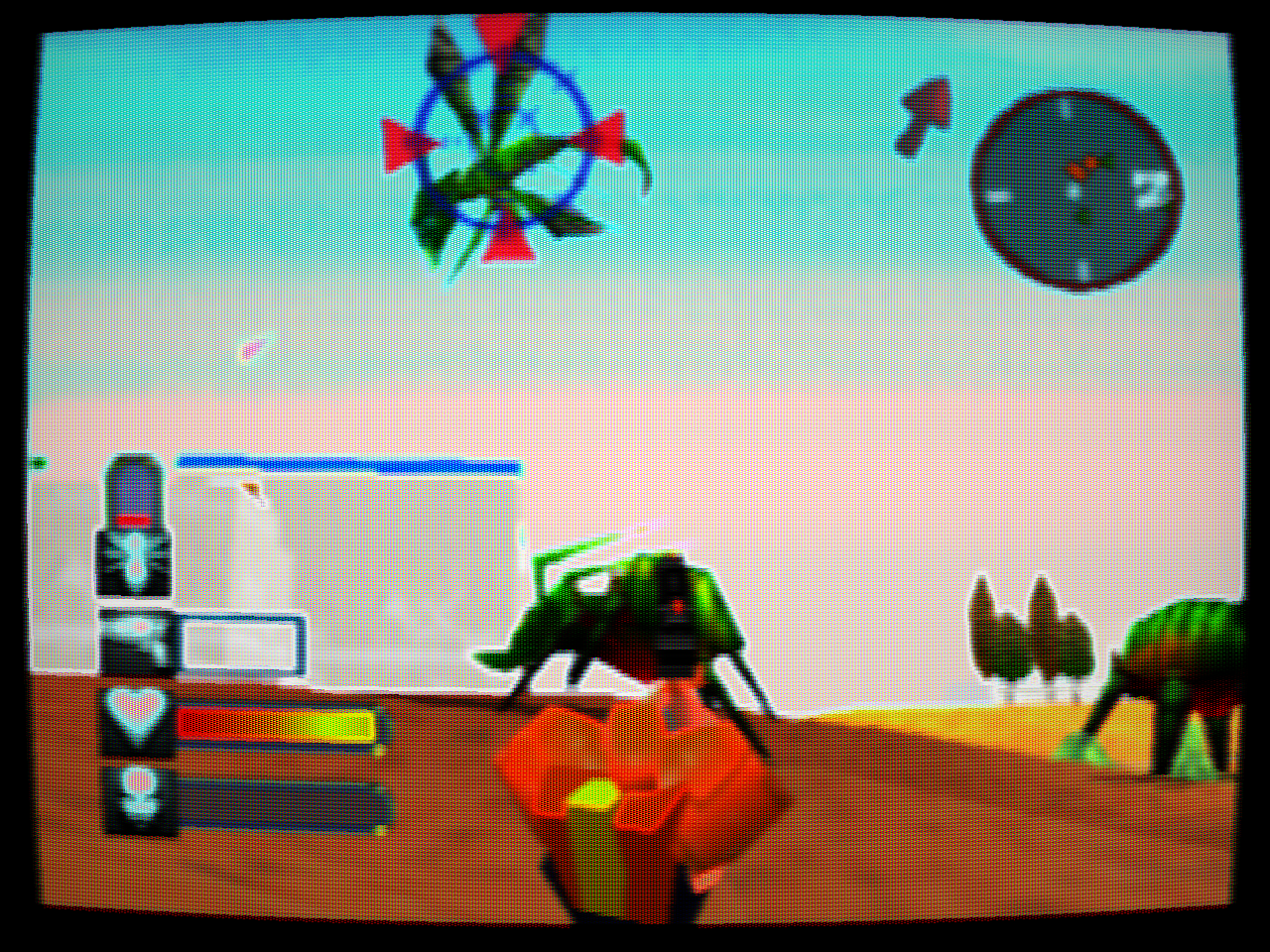
Before open-world games became the standard, Body Harvest was quietly setting the stage for them. Developed by DMA Design (the same studio that would later become Rockstar North of Grand Theft Auto fame), this 1998 Nintendo 64 title was a bold blend of action, exploration, and time-traveling science fiction.
You play as Adam Drake, a genetically enhanced soldier and one of the last surviving humans. The story begins in a bleak future where alien insects known as the Harvesters have nearly wiped out humanity. To prevent extinction, Adam and his partner travel back through time aboard a ship called Alpha 1 to stop the invasion before it ever happens. Their mission: track the aliens across five different time periods and save the human race.
Gameplay Overview
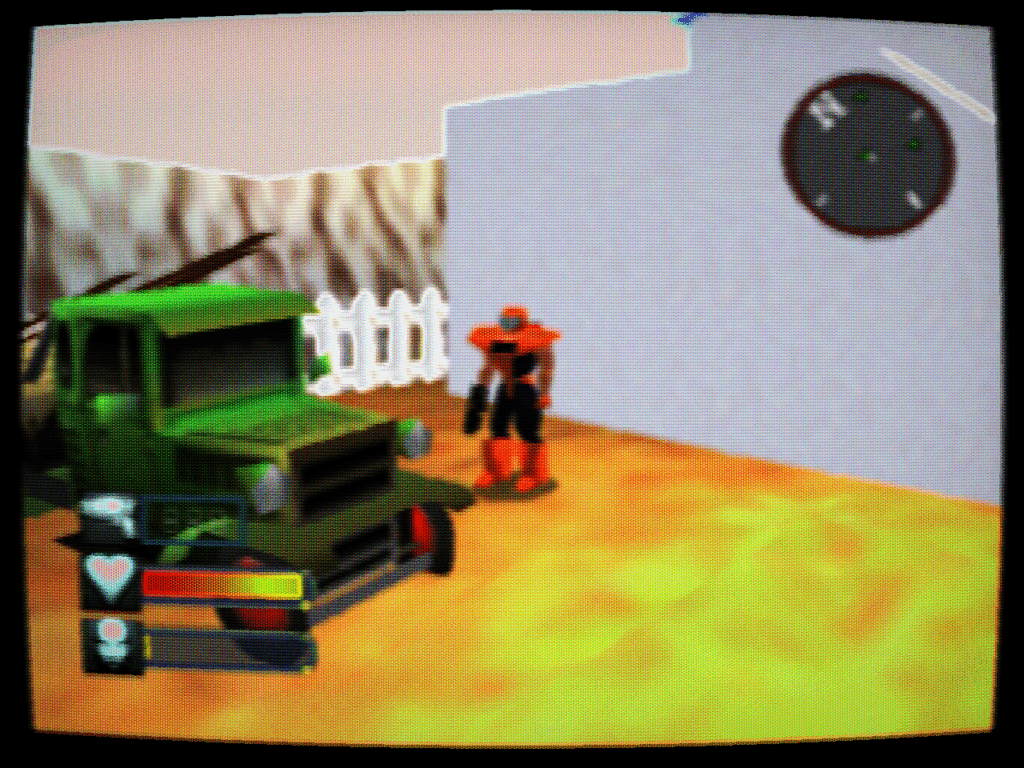
Body Harvest combines third-person shooting, vehicular combat, and puzzle solving in massive open environments. Each level gives players an enormous map to explore with minimal loading screens, decades before that was common. You can enter and drive more than 60 different vehicles, from World War I biplanes to futuristic hovercrafts.
Combat feels chaotic and rewarding. You battle hordes of giant alien insects using an arsenal of weapons that expand as you progress through each era. The Harvesters attack human settlements in waves, and if too many civilians die, the mission fails. This mechanic keeps you moving quickly and constantly prioritizing which threats to handle first.
Each world also features light puzzle solving and exploration. Players collect key items, talk to survivors, and unlock new vehicles or routes to advance. Despite some dated controls and rough graphics, the sheer ambition of the game was years ahead of its time.
Level Breakdown
1. Greece (1916)
The game opens on the Mediterranean front during World War I. Here you learn the basics of combat, vehicle use, and rescuing civilians. You fight the first major insect waves among coastal villages and farmlands while exploring winding hills and small forts.
2. Java (1941)
Now in the Pacific theater of World War II, the environments expand dramatically. You commandeer jeeps, trucks, and even aircraft to fend off the alien horde. This level introduces more verticality, bridges, and dense jungle combat.
3. America (1966)
Set in a retro-futuristic version of the 1960s, this stage mixes open highways, deserts, and small towns. Expect fast-paced vehicle battles and some of the game’s best atmosphere. It is also the point where the story begins to reveal the larger scope of the alien invasion.
4. Siberia (1991)
The harsh cold of Siberia adds new challenges with snow vehicles and frozen terrain. You encounter advanced alien technology here, pushing the limits of both your arsenal and strategy. This level’s pacing and visual tone make it one of the game’s most memorable.
5. The Future (2046)
The final stage takes place in the shattered remnants of humanity’s stronghold. Armed with futuristic tanks and aircraft, you face massive alien bosses in open-ended battles across barren wastelands. It brings the time-travel arc full circle, culminating in the final confrontation to prevent the extinction of humanity.
Legacy
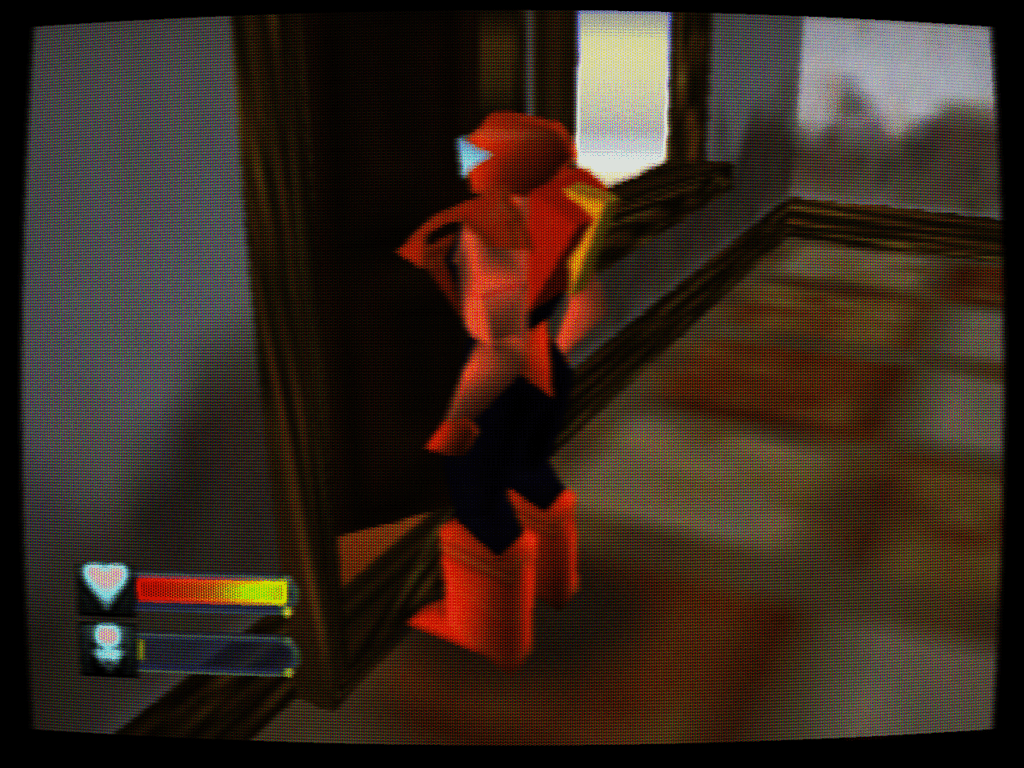
Though it received positive reviews for its scope and creativity, Body Harvest was overshadowed by flashier releases at the time. Critics praised its large maps and vehicle variety but noted technical performance issues and frame rate drops. Still, the ideas behind it directly influenced later open-world design, especially the early Grand Theft Auto series.
Today, Body Harvest stands as one of the Nintendo 64’s most ambitious and underrated titles. It offered a sense of freedom and scale that few games of the era could match and remains a fascinating glimpse at the evolution of 3D sandbox gameplay.