
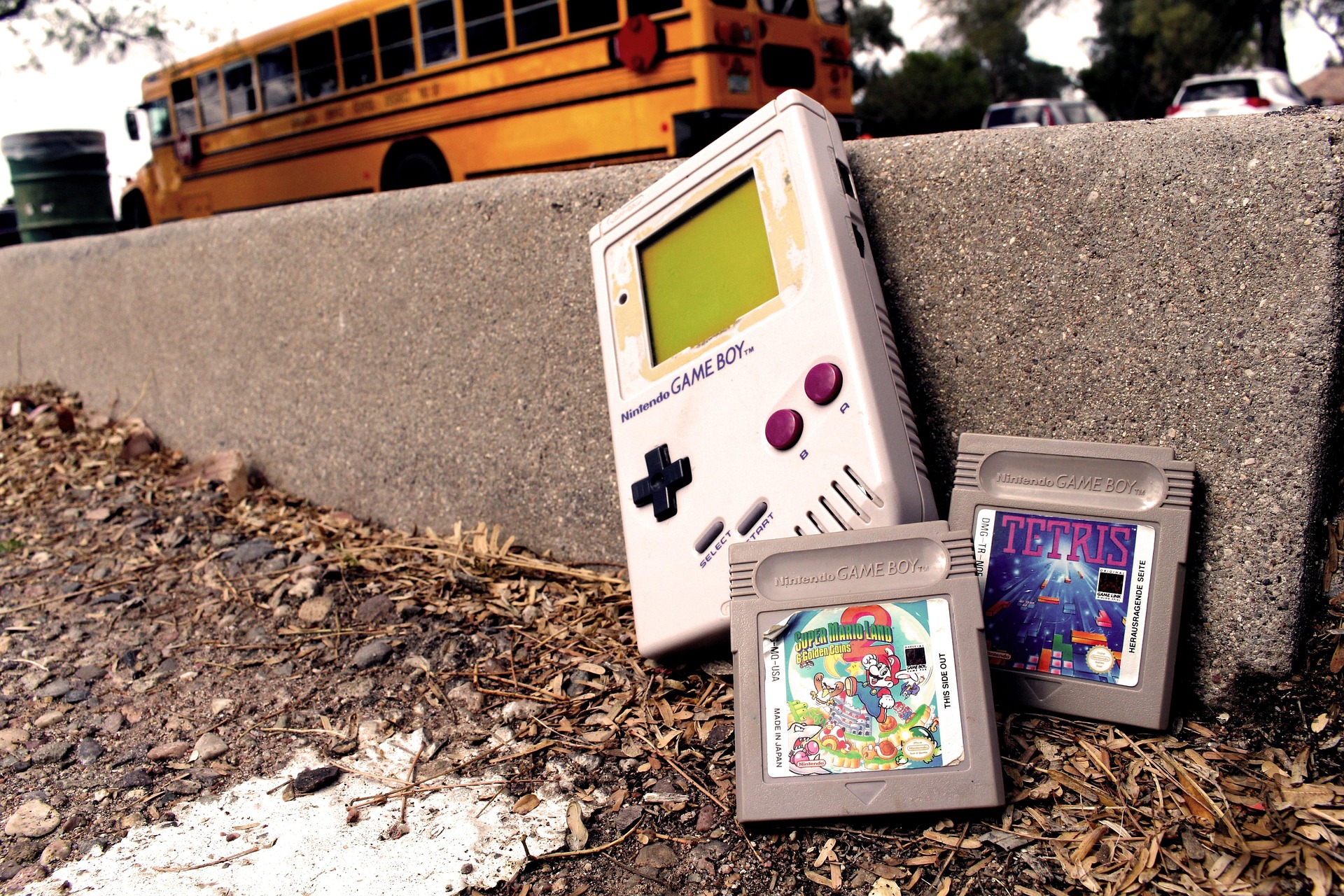
If you grew up in the 80s or 90s, chances are you remember the ritual. The game wouldn’t start, the screen flickered, and before long you found yourself removing the cartridge, giving it a good puff of air, and trying again. Magically, it often worked, or seemed to. The blowing method became a universal reflex for gamers everywhere.
But why did we do it? Did it really help, or were we just lucky? And what does the science say about this time-honored tradition?

Image from @adultswim on GIPHY
The Origins of the Cartridge Blow
Cartridge-based consoles like the NES, SNES, Sega Genesis, and Nintendo 64 relied on metal connectors to read data from the game. Those connectors could get dusty, bent, or misaligned. When a game didn’t start, players assumed dust was the culprit. The natural human response? Blow it out like a speck in your eye.
The act felt mechanical, magical, and personal, as if you were reviving your favorite game through sheer willpower, or CPR. Early game manuals even mentioned “checking for dirt or debris,” which gamers quickly translated into: “just blow on it.”
Why It Seemed to Work
The trick often appeared to fix the problem because re-seating the cartridge, not blowing on it, was what really helped. Every time you removed and reinserted a game, the physical friction cleaned the contacts slightly and re-established a better electrical connection.
So while the air might have cleared a bit of loose dust, the improvement came mostly from that second insertion aligning the pins correctly.
The Hidden Damage
Unfortunately, blowing on cartridges did more harm than good. Human breath contains microscopic droplets of water, and that moisture can corrode the metal contacts inside both the cartridge and the console over time.
Tests done by collectors and repair enthusiasts have shown that cartridges exposed to repeated blowing show tarnish and even greenish corrosion along the connectors. Once those form, the problem only gets worse, leading to even more blowing, and eventually a broken game.
What the Science Says
When this myth was finally put under the microscope (literally), experiments confirmed what many technicians suspected:
- Moisture from breath leaves residue that accelerates oxidation.
- Dust displacement from gentle blowing is minimal unless the debris is large and visible.
- Electrical connection improvement almost always came from reinsertion, not airflow.
In short, it was never the blowing that fixed your game, it was the persistence.
The Right Way to Clean
If you’re caring for your vintage collection today, skip the lung power and try one of these methods instead:
- Use a soft, lint-free cloth slightly dampened with 90–99% isopropyl alcohol.
- Gently rub the cartridge contacts in one direction (never back and forth).
- Let it dry completely before inserting it back into the console.
- For consoles, use a contact cleaning kit or compressed air to remove dust.
A little proper care goes a long way toward keeping those retro systems healthy.
Nostalgia with a Breath of Reality
The truth is, cartridge blowing didn’t really work, but it felt like it did. It made us feel like we were part of the process, giving life to the machine with a little ritual of hope. That simple act connected players across decades and continents in one shared moment of frustration and triumph.
Image by Joey Velasquez from Pixabay