
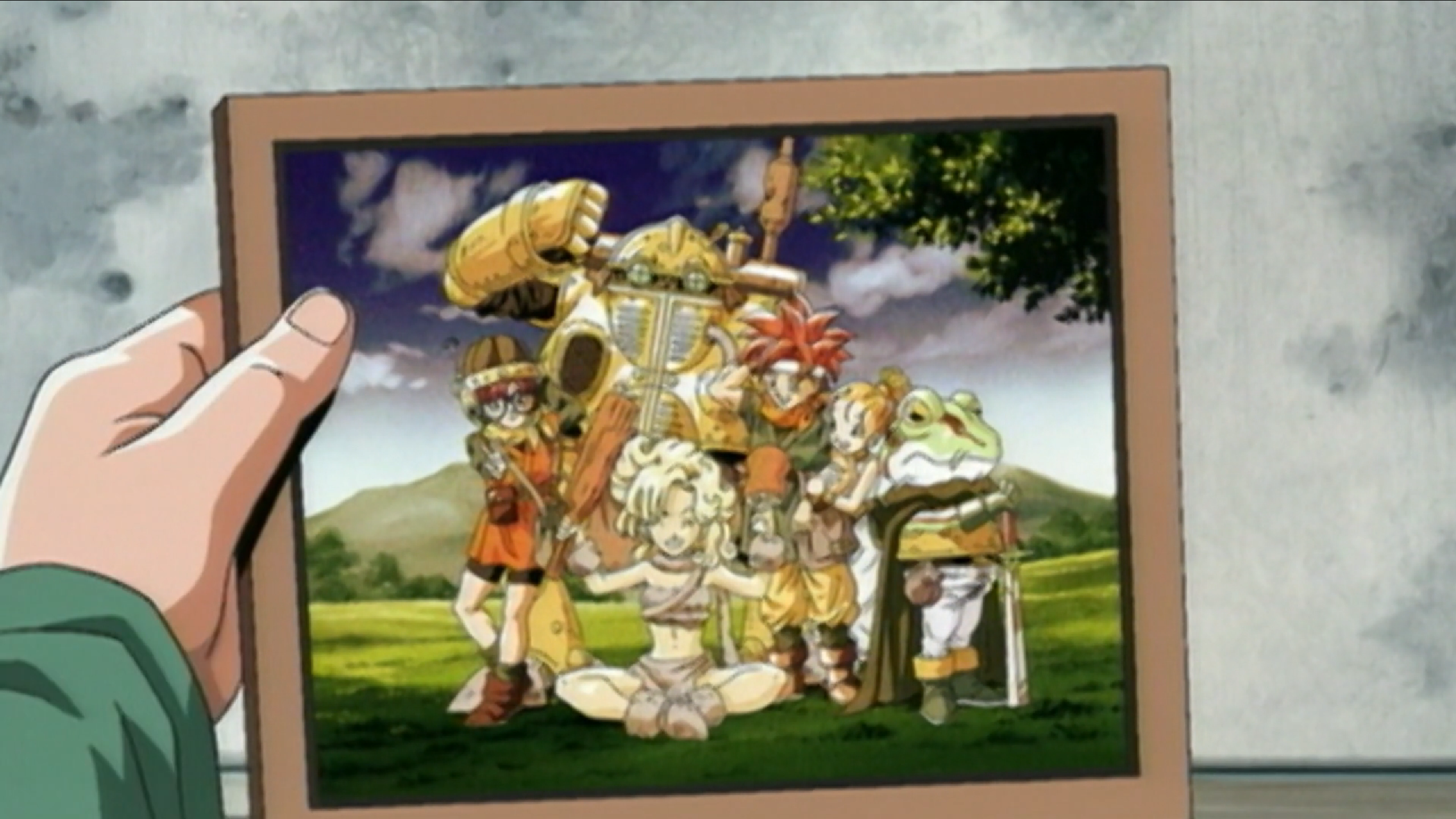
Few games have captured the imagination of players like Chrono Trigger. Originally released for the Super Nintendo Entertainment System in 1995, it remains one of the most celebrated RPGs ever made. With its blend of time travel, unforgettable characters, and innovative gameplay, Chrono Trigger set a new standard for storytelling in video games.

A Story Across Time
The adventure begins with a young swordsman named Crono, who is swept into a journey that spans centuries after a scientific demonstration goes awry. Along the way, he meets a cast of characters from different eras who join his quest to uncover the mysteries of a catastrophic event that threatens all of history.
Without giving too much away, Chrono Trigger’s narrative explores how actions ripple through time. Every decision feels meaningful, and every character contributes something unique to the larger story. The result is a heartfelt and memorable journey that feels as fresh today as it did three decades ago.

Gameplay and Innovation
Chrono Trigger was developed by a dream team of designers from Square and Enix, including key members behind Final Fantasy and Dragon Quest. It introduced several revolutionary ideas that helped redefine the RPG genre.
The Active Time Battle 2.0 system blended real-time and turn-based combat, keeping fights fast and strategic. Enemies appeared directly on the map rather than through random encounters, and many battles featured dual and triple techs, allowing characters to combine their powers for impressive team attacks.
Outside of combat, players could freely explore various time periods, each with its own culture, technology, and conflicts. The game featured multiple endings, encouraging replayability and experimentation — a rare feat for its time.

Versions and Re-Releases
Super Nintendo (1995)
The original release remains the purest version of the game. Its pixel art, expressive animation, and music by Yasunori Mitsuda and Nobuo Uematsu are still widely praised. The SNES version features tight pacing and a clean interface that perfectly suits the era’s hardware.
PlayStation (1999 – Final Fantasy Chronicles)
Bundled with Final Fantasy IV, this version added fully animated cutscenes by Akira Toriyama, the artist behind Dragon Ball. However, it suffered from long loading times, which made it less ideal for replay. Still, the new cinematic sequences added emotional depth to key moments and helped introduce the game to a new generation of players.
Nintendo DS (2008)
The DS version is widely regarded as the definitive portable edition. It includes all the PlayStation cutscenes, a retranslated script that aligns more closely with the original Japanese text, and bonus dungeons that expand the lore. Touchscreen support made navigating menus easier, and the dual-screen layout kept battles and maps clear and uncluttered.
Mobile and PC (2018)
The most recent releases brought Chrono Trigger to modern platforms, though not without controversy. The initial PC port reused the mobile interface, resulting in awkward visuals and scaled graphics that disappointed fans. Fortunately, Square Enix issued patches that restored pixel-perfect visuals and improved control options, making it a solid version today.
Each release adds its own flavor, but the essence of Chrono Trigger never changes. Whether played on a 16-bit console or a modern PC, its emotional storytelling, polished gameplay, and unforgettable soundtrack endure.
A Timeless Legacy
Nearly thirty years later, Chrono Trigger still stands as a high point in role-playing game design. Its approach to time travel, its deep emotional core, and its willingness to experiment have influenced countless developers since.
Every time Chrono Trigger finds a new platform, it finds a new audience — and every player who experiences it for the first time is reminded that great stories never age.
The future is never set in stone, and few games prove that better than Chrono Trigger.