
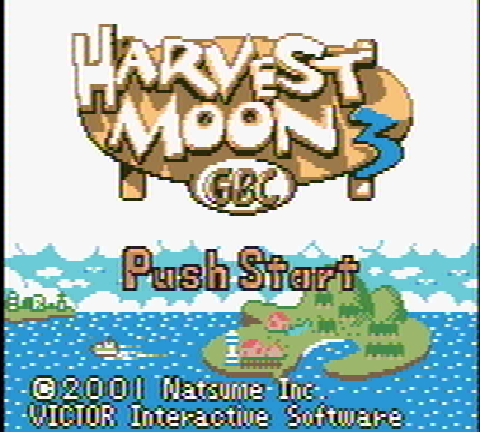
Before handheld gaming was filled with sprawling open worlds and touch controls, Harvest Moon 3 on the Game Boy Color delivered something simple and special: a complete farming experience you could fit in your pocket. Released in 2001, it was the third and final Harvest Moon entry on Nintendo’s 8-bit handheld, and it remains one of the most charming portable titles of its era.
A Change of Scenery
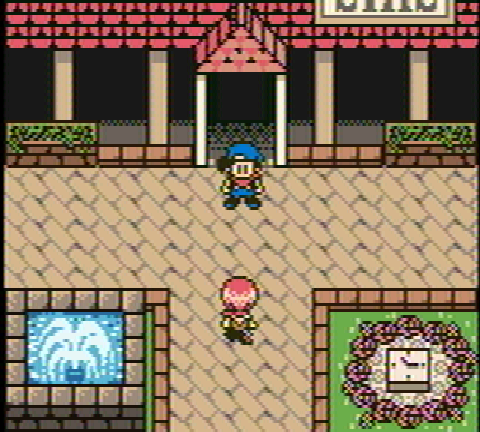
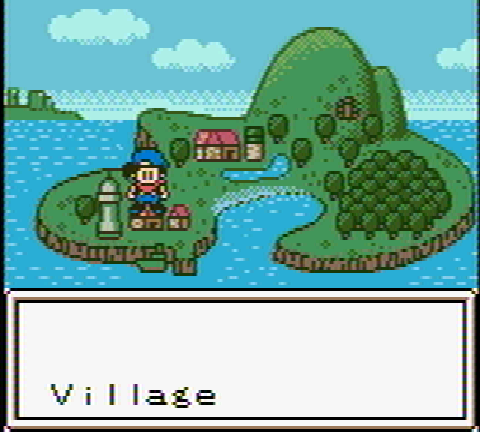
Unlike its predecessors, Harvest Moon 3 takes place on a small island, giving the game a refreshing new atmosphere. The story begins when the player arrives to help a farmer rebuild a struggling homestead after the death of a loved one. This island setup gives the world a more self-contained feel, with the ocean always in view and a handful of unique villagers to meet.
One of the biggest differences this time around is the inclusion of a farm partner. Depending on whether you play as a boy or girl, your partner takes on the opposite role and helps with daily chores. This added a sense of companionship that made the routine of watering crops and tending animals feel more personal. The partnership mechanic also introduced small story variations and different dialogue paths, encouraging multiple playthroughs.
Building on the Game Boy Legacy
To appreciate what Harvest Moon 3 accomplished, it helps to look at the first two Harvest Moon games for the Game Boy.
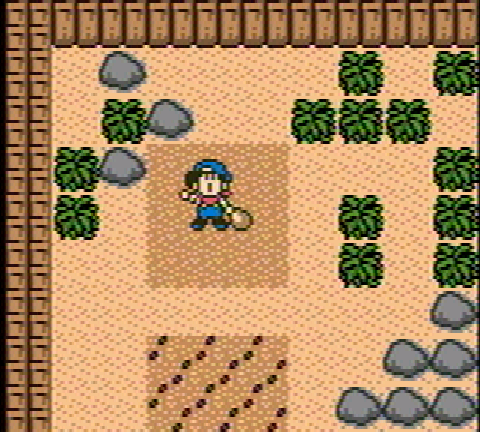
- Harvest Moon GB (1998): The first portable version distilled the console experience into a tight, minimalist loop. Players had a limited number of years to restore their farm, grow crops, and care for livestock. It was simple but groundbreaking, proving that the farming sim formula could thrive on a handheld system.
- Harvest Moon 2 GBC (2000): The second entry expanded the world and introduced a proper town with more social interactions and an emphasis on exploration. It added festivals, tool upgrades, and more complex farming mechanics, bringing the series closer to its console counterparts.
By the time Harvest Moon 3 arrived, the developers had perfected that balance. It kept the depth of Harvest Moon 2 but smoothed out the pacing. Farming felt faster, inventory management was cleaner, and the addition of your helpful partner gave the game a distinct warmth.
Portable Perfection
Visually, Harvest Moon 3 used the full color palette of the Game Boy Color to its advantage. The fields, animals, and characters popped with bright, friendly detail, and the game’s soundtrack carried a relaxing rhythm that perfectly suited its tone.
Performance-wise, it ran smoothly and loaded quickly, a necessity for a game designed to be played in short bursts. Its core loop — wake up, tend crops, visit town, and plan for the next season — was as satisfying on a quick car ride as it was during an extended play session.

Reception and Legacy
Reviewers at the time praised Harvest Moon 3 for pushing the limits of the Game Boy Color hardware and for making meaningful improvements to the portable formula. Fans loved its cozy presentation and the addition of the partner mechanic, which made it feel fresh even for those who had played the earlier entries.
Today, Harvest Moon 3 stands as a quiet gem in the franchise’s long history. It may not have the depth of Friends of Mineral Town or the polish of later titles, but it captures something few games manage: the joy of simple progress.
For players looking to revisit where handheld farming games came from, Harvest Moon 3 is the perfect island getaway.