
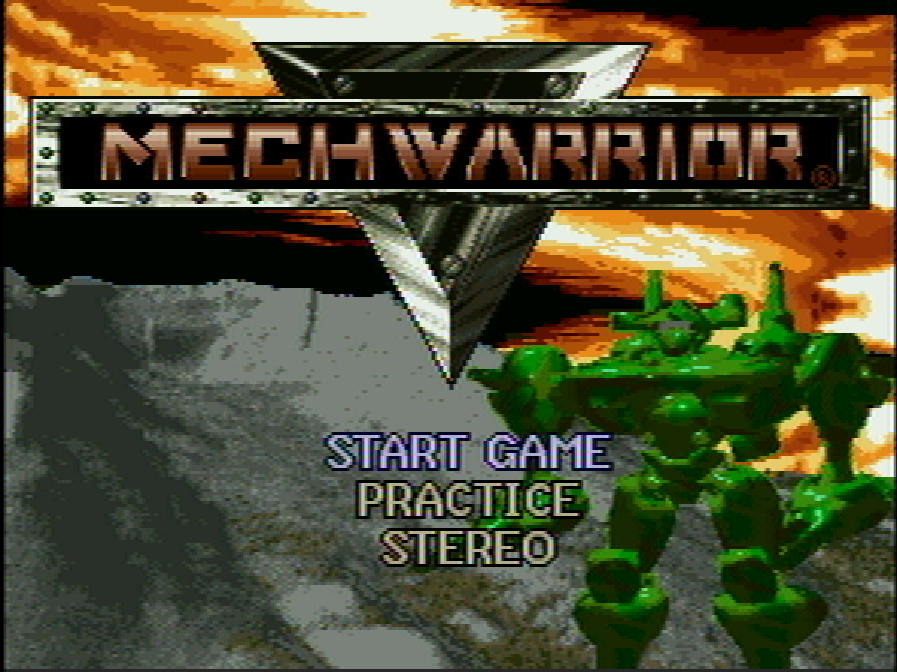
By the time MechWarrior arrived on the Super Nintendo, the BattleTech universe already had a firm grip on me. I had spent countless hours on PC with MechWarrior 2 and MechWarrior 2: Mercenaries, learning the rhythms of heat management, loadouts, and tactical combat. But the SNES was not my console growing up. I was firmly on the Sega side of the fence, which meant my time with MechWarrior on SNES was limited to visits at a friend’s house.
Even with that limited exposure, the game left a strong impression.
A Surprisingly Focused Story
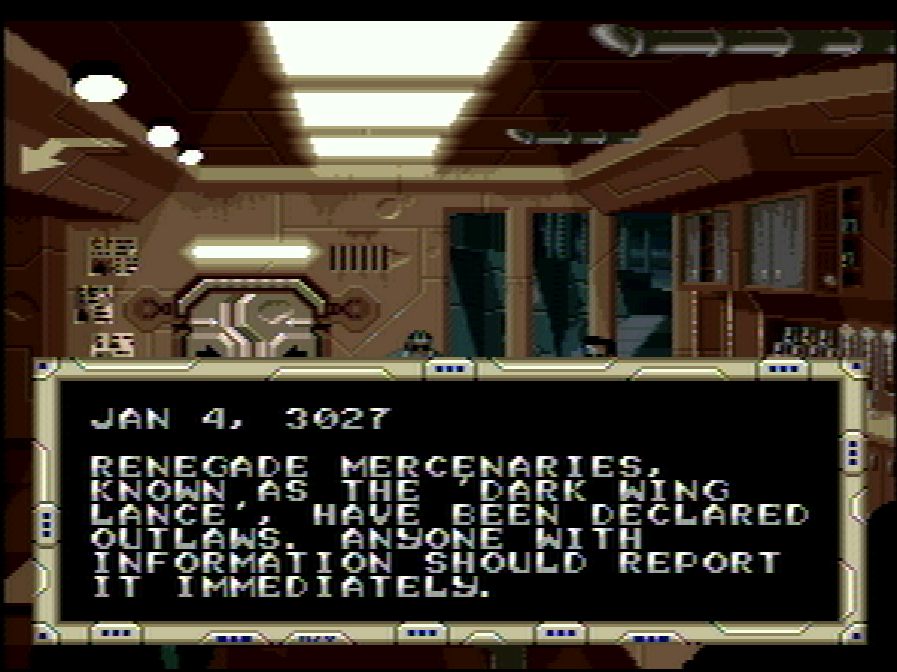
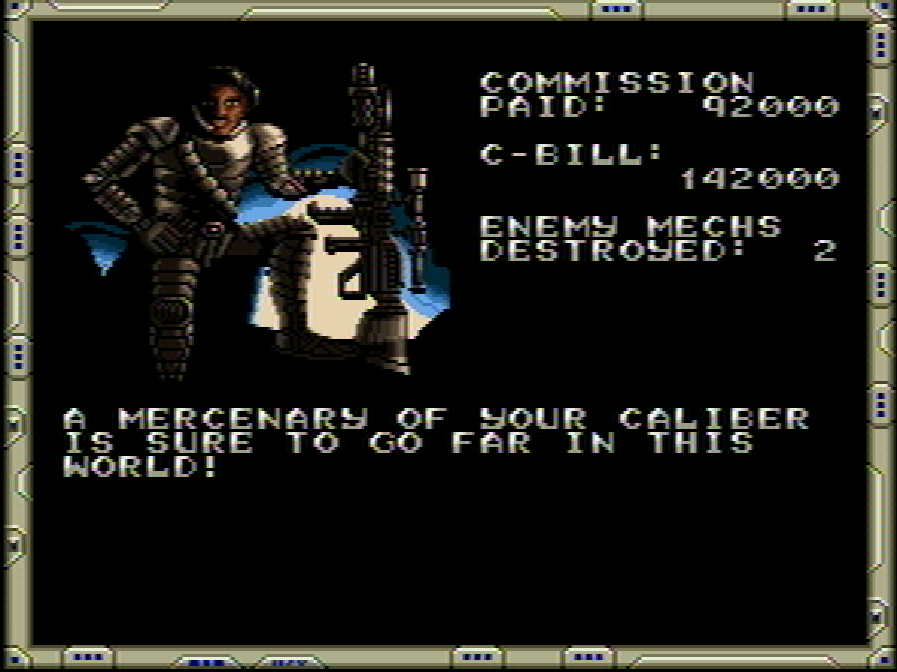
Mechwarrior for SNES puts you in the cockpit of a lone mercenary mechwarrior on a mission of revenge. The Dark Wing Legion, a ruthless mercenary unit, has wronged you, and the campaign revolves around hunting them down across hostile territory.
The story is simple but effective. You are outnumbered, outgunned, and largely on your own. Contracts, combat zones, and gradual progression reinforce the feeling of being a single pilot clawing your way toward vengeance. It fits the Battletech universe well and provides just enough narrative motivation to push you forward through its demanding missions.
Complex Systems on a Simple Controller
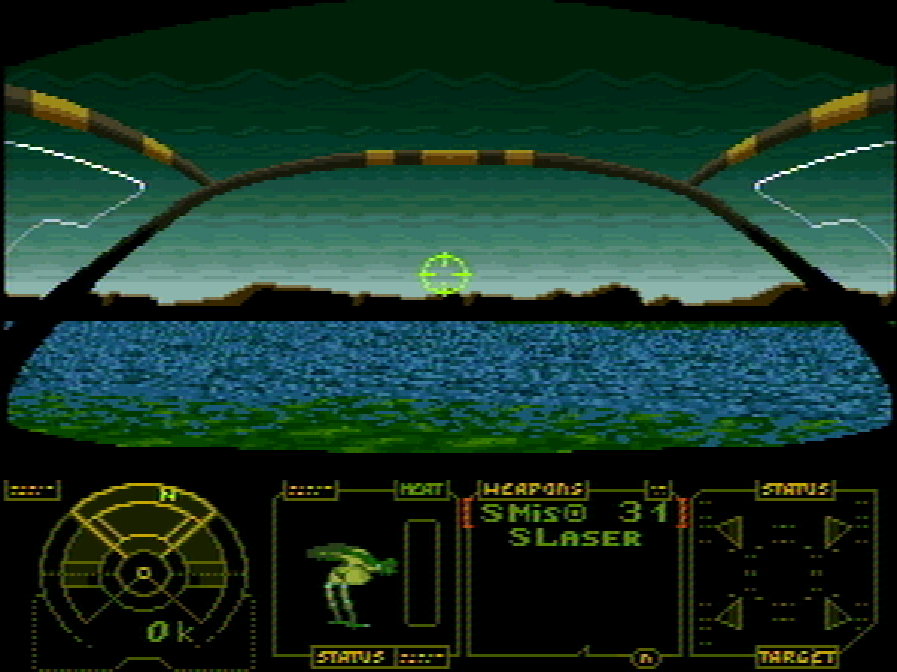
What impressed me most at the time was how much of MechWarrior’s depth survived the jump from PC to SNES. Managing a walking tank with a gamepad felt daunting at first, especially coming from mouse and keyboard controls.
The game includes:
- Heat management
- Weapon grouping and firing control
- Arm aiming independent of leg position
- Radar awareness and positioning
- Repair and progression between missions
All of this was mapped to a standard SNES controller, and while the learning curve was steep, it worked. It was slower and more deliberate than its PC counterparts, but that pacing suited the hardware and forced players to think carefully about each engagement.
Difficulty and Learning Curve
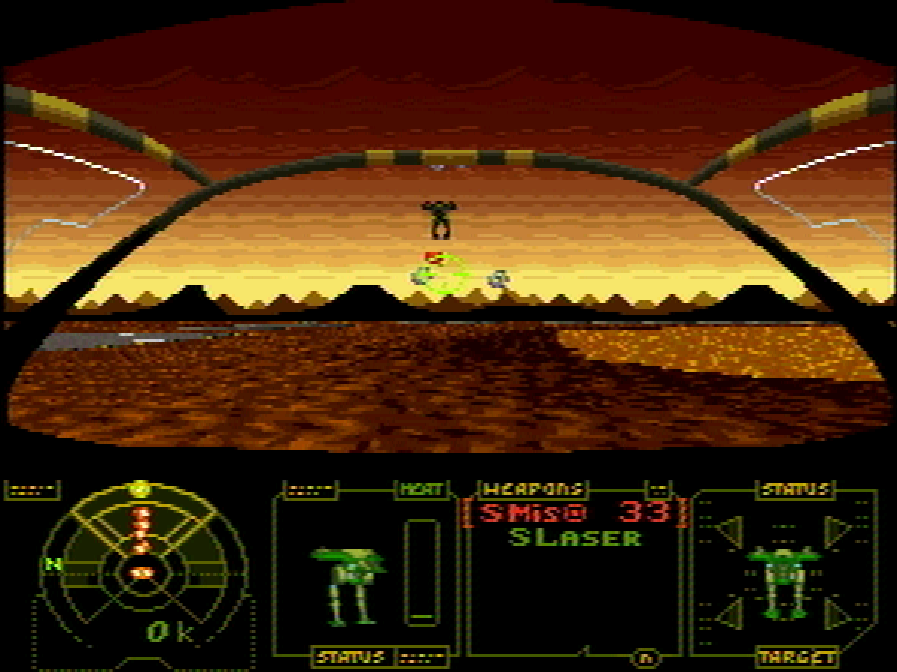
MechWarrior on SNES does not ease players in. Early missions can feel punishing, especially if you rush in without understanding how heat buildup and weapon usage interact. This was not an arcade mech game. It demanded patience, planning, and a willingness to fail while learning its systems.
That difficulty is part of why I never finished it. As newer MechWarrior titles continued to refine the formula on PC, it became harder to go back. The SNES version asks more of the player than nostalgia alone can always provide.
A Unique Place in Mech Game History
Despite its limitations, MechWarrior on SNES stands as an impressive technical achievement. Translating a complex mech simulator to a 16-bit console was no small feat, and the developers clearly respected the source material.
For fans of BattleTech, it represents an interesting snapshot of the franchise’s evolution. It bridges the gap between early PC simulation roots and the more accessible, refined entries that followed.
I may never complete it, but MechWarrior on SNES remains a game I respect deeply. It proved that even on modest hardware, giant stomping robots and serious simulation ideas could still find a home.