
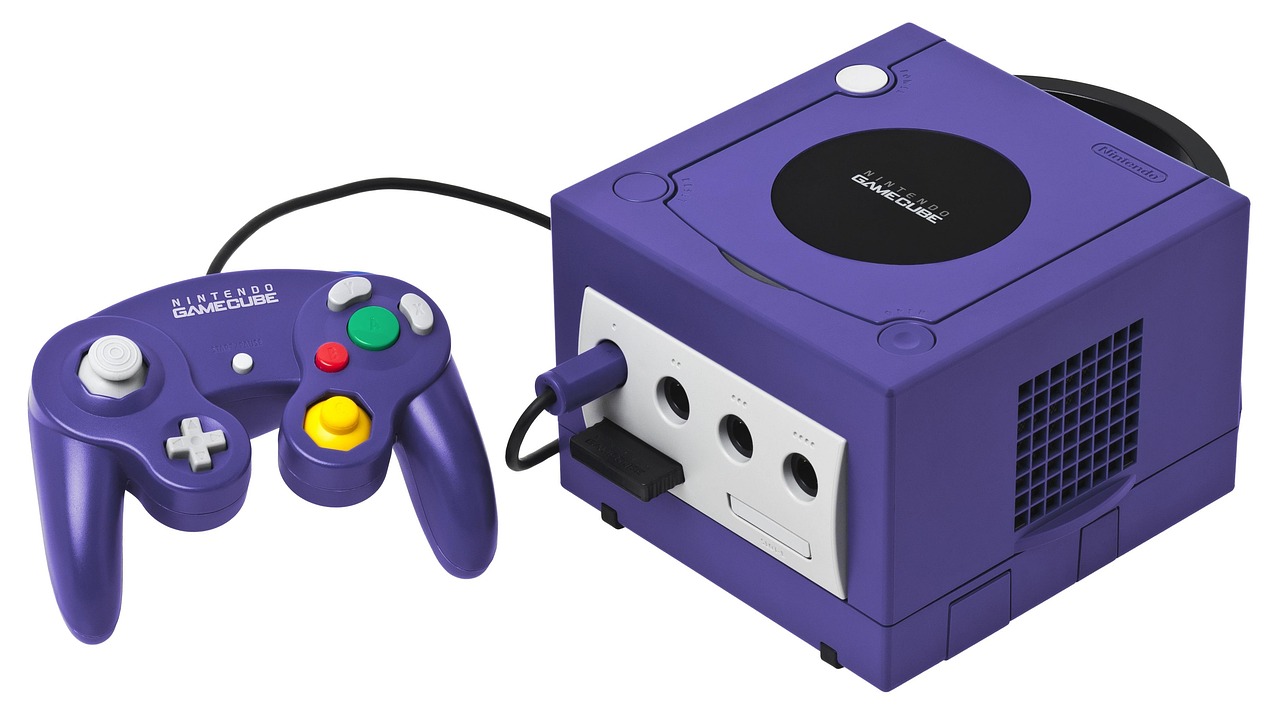
The Nintendo GameCube launched in North America on November 18, 2001, marking the beginning of a new era for Nintendo. Compact, colorful, and unapologetically playful, the system stood out in a landscape filled with bulky black boxes and serious marketing. With its cube shape, tiny discs, and built-in handle, the GameCube delivered the message that gaming could still be fun, approachable, and full of personality.
Twenty-four years later, the GameCube is remembered as one of Nintendo’s most stylish and underrated consoles. It produced some of the most beloved games of the early 2000s and helped define the next generation of Nintendo fans.
Launch Day Excitement
When the GameCube released in November 2001, it made an immediate impact. Nintendo reported that around 600,000 units were sold in the first 15 days in the United States, a strong start as the company entered the most competitive console generation in its history. The system arrived only three days after the original Xbox, placing both consoles side by side during the holiday rush.
While Sony’s PlayStation 2 dominated the market overall, the GameCube earned attention for its fast hardware, sharp graphics, and a launch lineup that emphasized fun over spectacle.
A Unique and Powerful Design
The GameCube was a technical step forward for Nintendo. Powered by an IBM PowerPC Gekko CPU and an ATI-designed Flipper GPU, the system delivered smooth performance and short loading times. Many titles showcased clean visuals that still hold up today, especially when displayed through the progressive scan mode supported by numerous games.
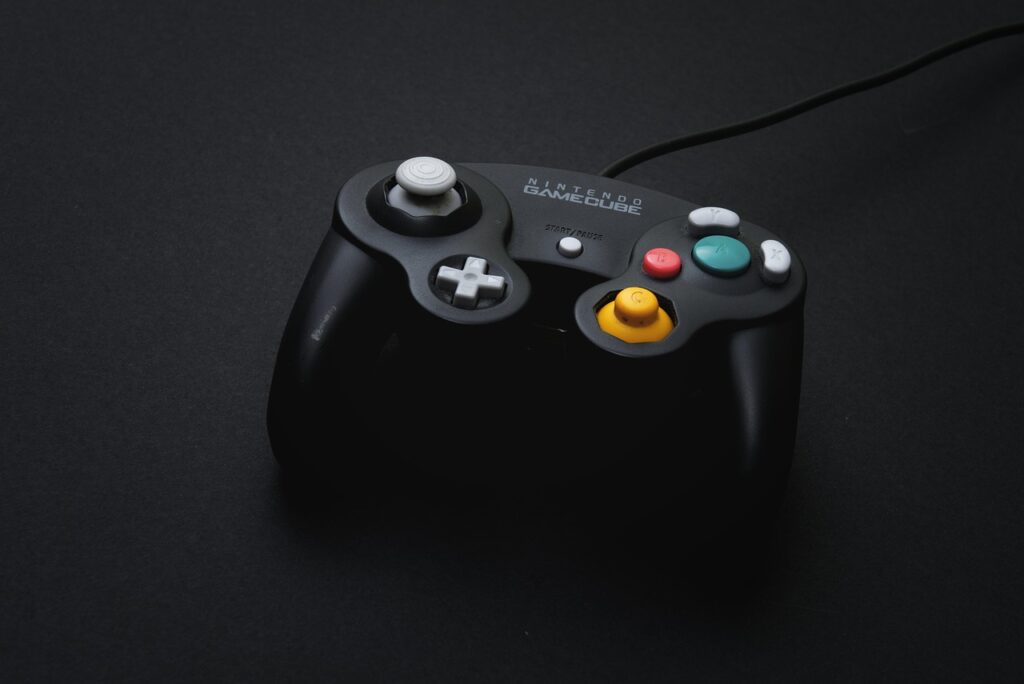
Its tiny 1.46 GB mini-DVDs became iconic, and its controller earned a reputation for comfort and precision. The system also boasted four controller ports right on the front, continuing Nintendo’s commitment to local multiplayer at a time when online gaming was beginning to take hold.
A Launch Lineup Filled With Personality
One of the strongest elements of the GameCube’s debut was its variety of early titles. The system launched with Luigi’s Mansion, a bold choice that gave Mario’s green-hatted brother a rare moment in the spotlight. Within weeks, players were exploring new worlds in Super Smash Bros. Melee and solving puzzles in Pikmin. Over the next year, the GameCube added heavy hitters like Metroid Prime, Animal Crossing, and The Legend of Zelda: The Wind Waker, helping cement its place as a Nintendo fan favorite.
A Console That Aged Into a Classic
The GameCube loved to surprise. From the oddball charm of Chibi-Robo to the ambitious tones of Eternal Darkness, the console’s library covered a wide range of moods and ideas. It was a system built on experimentation and creativity. Even games that did not reach mainstream status left a strong impression on those who played them.
Today, the GameCube enjoys the nostalgic appreciation it deserved all along. Its controller remains so popular that Nintendo still produces modern versions for competitive play. Many of its games have become collectibles, and others continue to inspire remasters, spiritual successors, and fan projects.
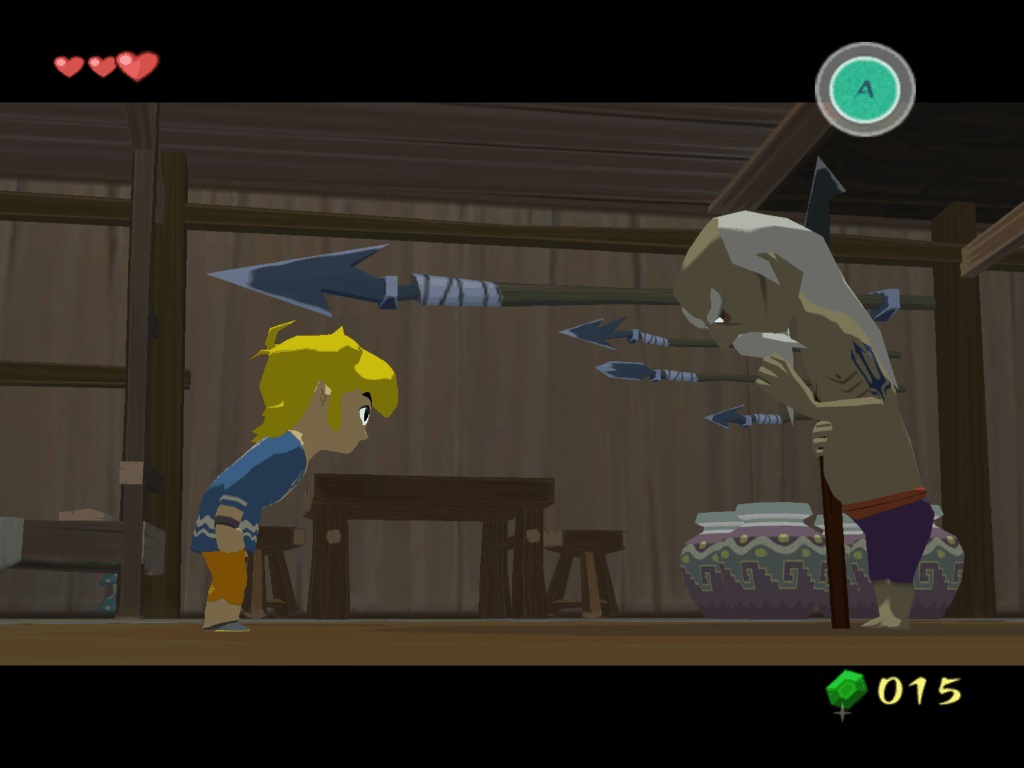
Screenshot by Retro Game Lore
Why the GameCube Still Matters
The GameCube arrived during a pivotal moment in gaming history. It faced fierce competition, but it carved out a dedicated audience by doing what Nintendo does best. It delivered imaginative worlds, memorable characters, and gameplay ideas that still influence titles today.
As we look back on its anniversary, the GameCube stands as a reminder that innovation does not always require being the biggest or most powerful. Sometimes it comes in a small purple box with a handle on the back and a focus on fun above all else.
Happy anniversary to the GameCube, one of Nintendo’s most charming and enduring creations.
Image by WikimediaImages from Pixabay